Rare Moment: A Quirky Display Font That Demands Careful Consideration
In the crowded landscape of digital typography, finding a typeface that truly stands out without screaming for attention is a rare feat. Rare Moment manages to do exactly this. It is a fun and quirky display font designed to inject personality into headlines, logos, and creative projects. However, its unique character comes with specific constraints that many designers overlook in their enthusiasm. While adding Rare Moment to your portfolio can yield delightful results, treating it like a standard body text or using it indiscriminately can undermine the very message you are trying to convey.
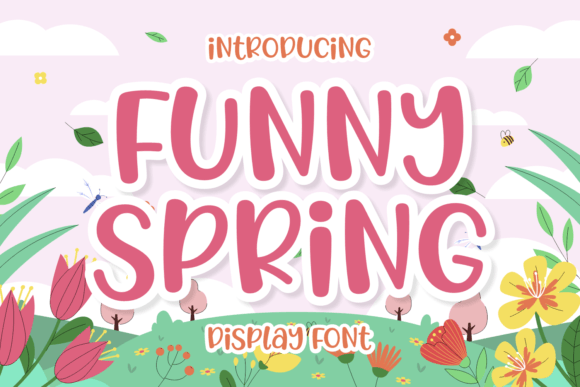
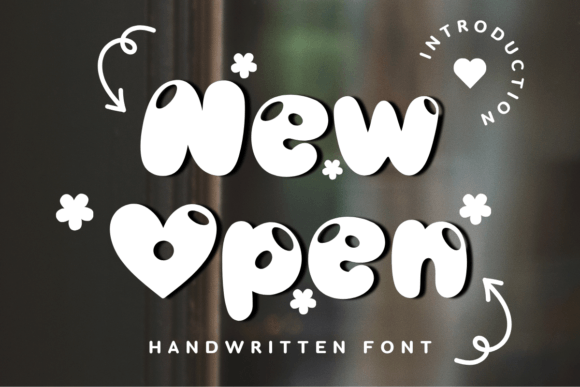
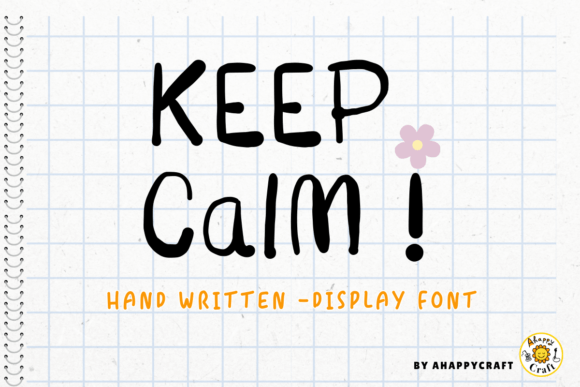
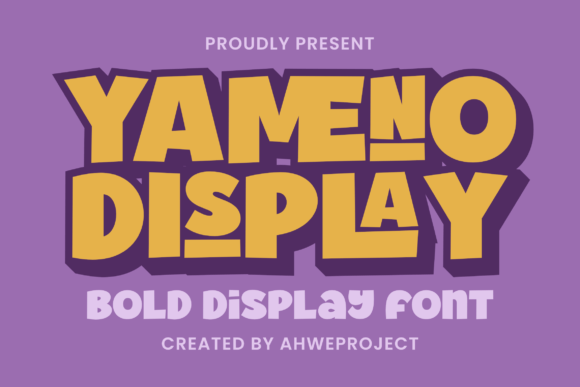
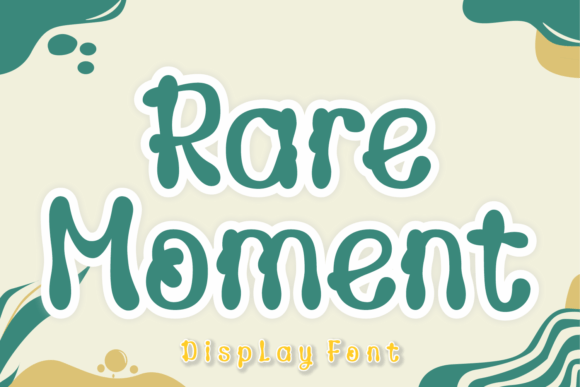
The appeal of Rare Moment lies in its playful geometry and expressive curves. It feels hand-drawn yet polished, making it perfect for brands that want to appear approachable, creative, or whimsical. Yet, the transition from "fun" to "unprofessional" is often just one poor application away. Understanding the boundaries of this font is essential for anyone looking to maintain credibility while showcasing creativity.
The Trap of Overusing Display Typography
One of the most common mistakes beginners and even seasoned marketers make is assuming that a font's visual appeal translates to versatility. Rare Moment is explicitly categorized as a display font. This classification is not merely a label; it dictates how the typeface should be used. Display fonts are engineered to grab attention at large sizes, often featuring intricate details, exaggerated proportions, or irregular spacing that look fantastic on a poster but become illegible on a mobile screen.
When creators apply Rare Moment to long paragraphs, website footers, or instructional manuals, they sacrifice readability for style. The result is often eye strain for the reader and a perception of carelessness on the part of the designer. If your audience has to squint to decipher your content, they will likely leave before engaging with your core message. This directly impacts user experience (UX) and can negatively affect search engine rankings, as Google prioritizes sites that offer accessible, readable content.
To avoid this pitfall, reserve Rare Moment strictly for headlines, short slogans, or single-word emphasis. Pair it with a clean, neutral sans-serif or serif font for body copy. This contrast allows the quirky nature of Rare Moment to shine without overwhelming the viewer. For example, use Rare Moment for a blog post title about "Weekend Adventures," but switch to a standard font like Open Sans or Roboto for the actual story. This balance ensures your project remains both charming and functional.
Evaluating Legibility Across Different Media
Another frequently overlooked detail is how Rare Moment performs across various mediums. A font that looks crisp on a high-resolution monitor might lose its charm when printed on a small business card or viewed on a low-bandwidth social media thumbnail. The fine lines and decorative elements of Rare Moment can blur or disappear when scaled down significantly.
Before committing to a design, always test the font at the smallest size you intend to use it. If the letters merge together or the distinct quirks become muddy blobs, the font is not suitable for that specific context. This simple check can save you from costly reprints or embarrassing digital assets. Furthermore, consider the background against which the text will sit. Rare Moment works best with ample negative space and solid, contrasting backgrounds. Placing it over busy textures or complex images can render it invisible, defeating the purpose of choosing such a distinctive typeface.
Common Licensing and Download Pitfalls
Beyond aesthetic considerations, the process of acquiring and implementing Rare Moment carries its own set of risks. In the rush to find free resources, many users inadvertently download fonts from unverified sources. These unofficial repositories often host modified versions of fonts that may contain malware, lack proper encoding, or violate copyright laws. Using a compromised version of Rare Moment can expose your computer to security threats and your business to legal liability.
It is crucial to source fonts only from reputable foundries or trusted marketplaces. When you purchase or download a legitimate license, you are not just getting a file; you are gaining access to support, updates, and a clear understanding of usage rights. Many creators assume that "free for personal use" means they can also use the font for client work or merchandise. This is a dangerous misunderstanding. Personal licenses rarely extend to commercial applications, and ignoring this distinction can lead to cease-and-desist orders or hefty fines.
Always read the End User License Agreement (EULA) carefully before integrating Rare Moment into any project. Look specifically for clauses regarding commercial use, web embedding, and redistribution. If the terms are unclear, contact the font creator directly. Investing time in verifying the license protects your brand reputation and ensures that your creative endeavors remain compliant with intellectual property standards.
Matching Tone to Brand Identity
Perhaps the most subtle yet impactful mistake is mismatching the font's tone with the brand's identity. Rare Moment exudes a sense of playfulness and informality. While this is perfect for a children's book, a craft brewery, or a lifestyle blog, it can be disastrous for a law firm, a medical practice, or a financial consultancy. Typography is a powerful communication tool, and the wrong choice can send mixed signals about your professionalism and values.
Before selecting Rare Moment, ask yourself if the "quirky" vibe aligns with your target audience's expectations. If your goal is to build trust through stability and seriousness, a more traditional typeface might serve you better. Conversely, if you are trying to disrupt an industry known for being stiff and corporate, Rare Moment could be the exact tool you need to stand out. The key is intentionality. Do not choose a font simply because it looks cool; choose it because it reinforces the story you are telling.
Practical Steps for Successful Implementation
To ensure Rare Moment enhances rather than hinders your project, follow these practical guidelines:
- Limit Usage: Use the font for no more than 10-15% of your total text volume. Let it act as the accent, not the foundation.
- Test Contrast: Ensure there is sufficient color contrast between the text and the background to meet accessibility standards.
- Verify Licensing: Confirm that your license covers all intended uses, including web, print, and merchandise.
- Pair Strategically: Combine Rare Moment with a highly legible companion font to create a balanced hierarchy.
- Check Scalability: Preview the design at various sizes to ensure the details remain visible and distinct.
By approaching Rare Moment with a strategic mindset, you can harness its unique charm effectively. It is a tool that rewards careful consideration and thoughtful application. When used correctly, it adds a layer of warmth and creativity that generic fonts simply cannot match. Remember, the best design choices are those that serve the audience first, ensuring that the message is not only seen but understood and appreciated.