Evaluating Thick and Thin: A Guide to Its Elegance, Utility, and Design Tradeoffs
In the landscape of digital typography, the distinction between a functional typeface and an expressive one often comes down to stroke variation. Thick and Thin is a display font specifically engineered to capitalize on this contrast, offering a magical blend of structural weight and delicate flair. For designers, social media creators, and DIY enthusiasts, selecting the right script can define the success of a visual project. This analysis explores what makes Thick and Thin distinct, how it compares to broader categories of calligraphy fonts, and the specific scenarios where its unique characteristics provide the most value.
The Anatomy of Contrast: What Defines Thick and Thin
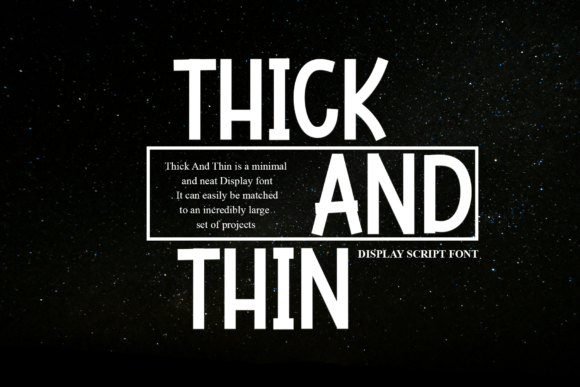
At its core, Thick and Thin is not merely a font with varying line weights; it is a deliberate study in rhythm and flow. The typeface mimics the natural movement of a pointed pen or brush, where pressure dictates the width of the stroke. When a user selects this font for a design, they are choosing a tool that inherently suggests motion and elegance. Unlike rigid sans-serif fonts that prioritize uniformity, or standard serif fonts that rely on traditional bracketing, Thick and Thin operates in the realm of modern calligraphy.
The defining characteristic of this font is its extreme modulation. The "thick" portions anchor the text, providing visual stability and readability, while the "thin" upstrokes create a sense of lightness and airiness. This duality allows the text to breathe, preventing the common issue of script fonts appearing cluttered or overly dense. For projects requiring a touch of sophistication without sacrificing legibility, this balance is crucial. It transforms simple text into a piece of art, making it particularly effective for headlines, invitations, and branding elements where personality is paramount.
Distinguishing Features from Standard Scripts
While many fonts claim to be "calligraphic," Thick and Thin stands out due to its consistency in stroke transition. Many amateur-style scripts suffer from erratic line widths that can look messy at larger sizes. In contrast, this font maintains a calculated ratio between its heaviest and lightest points. This precision ensures that even when scaled up for a poster or a large Instagram story, the integrity of the letterforms remains intact. Furthermore, the font includes a comprehensive set of ligatures and alternate characters, allowing designers to customize the flow of words to fit specific aesthetic needs.
Comparative Analysis: Where Thick and Thin Fits in the Ecosystem
To make an informed decision, it is essential to understand how Thick and Thin compares to other typographic options available in the market. Typography generally falls into broad categories: slab serifs, geometric sans-serifs, hand-lettered scripts, and formal calligraphy. Thick and Thin occupies a niche space between casual hand-lettering and formal copperplate.
When compared to standard cursive fonts, which often feature uniform stroke widths, Thick and Thin offers significantly more visual interest. Uniform scripts can appear flat and digital, lacking the organic feel of hand-drawn work. However, unlike some highly decorative "brush" fonts that prioritize artistic flair over readability, Thick and Thin retains enough structure to be used in short paragraphs or subtitles. It bridges the gap between purely decorative elements and functional text.
In comparison to formal wedding calligraphy, which often features intricate flourishes and complex swashes that can hinder legibility, this font takes a more restrained approach. While it possesses elegance, it avoids excessive ornamentation that might distract from the message. This makes it a versatile alternative for users who want the luxury feel of high-end calligraphy but need the practicality of a font that works across various mediums, from digital screens to printed stationery.
Tradeoffs Against Minimalist Typefaces
It is important to acknowledge the limitations when choosing Thick and Thin over minimalist options. If a project requires high-density information, such as body text for a blog post or legal disclaimers, this font is likely unsuitable. The high contrast in stroke weight can cause visual fatigue when read in long blocks. In these instances, a clean sans-serif or a low-contrast serif would be the superior choice. The tradeoff here is clear: you gain immense stylistic impact at the cost of extended readability.
Ideal Use Cases and Strategic Applications
Understanding the strengths of Thick and Thin allows creators to deploy it effectively. Its primary strength lies in its ability to elevate short bursts of text. For Instagram posts, where visuals must capture attention within seconds, this font excels. It adds a layer of polish to quotes, captions, and promotional graphics, distinguishing them from the sea of generic system fonts.
DIY projects also benefit significantly from this typeface. Whether creating custom labels for home decor, designing wedding invitations, or crafting handmade greeting cards, Thick and Thin provides a professional finish that mimics hand-lettering without the steep learning curve. The font's versatility extends to packaging design, where it can convey a sense of artisanal quality and care. Brands looking to communicate warmth, creativity, and elegance often find this font aligns well with their identity.
Realistic Examples of Effective Deployment
- Social Media Graphics: Using the font for overlay text on lifestyle photography, ensuring the thin strokes do not get lost against busy backgrounds.
- Event Invitations: Applying the font to names and event titles to set a sophisticated tone, while pairing it with a simpler font for logistical details.
- Product Packaging: Highlighting key ingredients or brand slogans on cosmetic or food products to suggest premium quality.
- Personal Branding: Incorporating the font into logos or watermarks for artists and influencers seeking a signature style.
Decision Factors: When to Choose Alternatives
Despite its elegance, Thick and Thin is not a universal solution. Decision-making should involve a critical assessment of the project's goals. If the priority is maximum accessibility or readability for audiences with visual impairments, the high contrast of this font may present barriers. In such cases, a font with consistent stroke width and open counters is a more ethical and practical choice.
Additionally, consider the medium of delivery. On very small mobile screens, the delicate "thin" parts of the font might render poorly if the resolution is low or if the text size is insufficient. Before committing to Thick and Thin for a digital interface, test it at the intended size to ensure the fine lines remain visible. If the design requires scalability across a wide range of sizes—from business cards to billboards—a more robust font family might offer better consistency.
Pairing Strategies for Balance
To mitigate potential limitations, experienced designers often pair Thick and Thin with a complementary neutral font. By using the display font strictly for headlines and accents, and reserving a clean sans-serif for body copy, one can enjoy the aesthetic benefits without compromising functionality. This combination creates a hierarchy that guides the reader's eye naturally, leveraging the drama of the script while maintaining clarity in the supporting text.
Conclusion on Selection Criteria
Choosing a font is a strategic decision that impacts how a message is perceived. Thick and Thin offers a compelling option for those seeking to inject elegance, movement, and a touch of magic into their designs. Its distinct stroke variation sets it apart from generic scripts, making it a powerful tool for social media, branding, and creative DIY endeavors. However, like any specialized tool, it has its place. By understanding its strengths in handling short, impactful text and recognizing its limitations regarding long-form readability, creators can make informed choices.
Ultimately, the value of Thick and Thin lies in its ability to transform ordinary words into visual art. When applied with intention and paired thoughtfully with other design elements, it serves as a testament to the power of typography in communication. Whether you are evaluating options for a new brand identity or simply looking to enhance your next creative project, considering the specific attributes of this font will help determine if it is the right fit for your unique vision.