Evaluating Ombak Ocean: A Guide to Wavy Display Typography
In the realm of digital and print design, typography serves as more than just a vehicle for text; it is a primary tool for establishing mood and tone. Among the diverse array of display fonts available, Ombak Ocean has emerged as a distinctive option for designers seeking to capture the essence of movement. This font is characterized by its fluid, undulating lines that mimic the natural rhythm of ocean waves. For professionals researching typefaces for specific creative projects, understanding the functional applications, aesthetic limitations, and strategic value of Ombak Ocean is essential before integration.
Understanding the Design Philosophy of Ombak Ocean
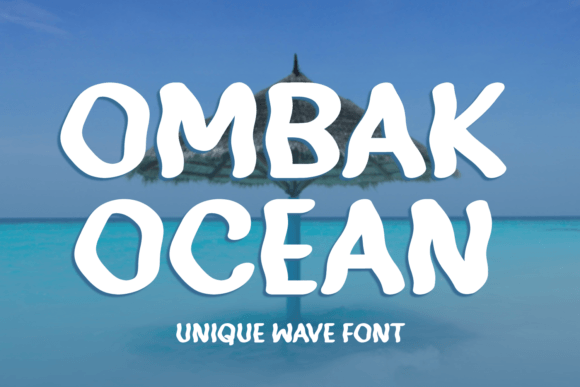
Ombak Ocean is explicitly categorized as a display font, meaning it is intended for use in large sizes such as headlines, logos, and poster titles rather than body copy. The core design principle revolves around the concept of fluidity. Each character is constructed with continuous curves and wavy baselines that break away from the rigid horizontal alignment found in standard sans-serif or serif typefaces. This creates a visual effect reminiscent of water rolling onto a shore, introducing a dynamic and rhythmic quality to the text.
The font does not merely add decoration; it fundamentally alters how the eye perceives the message. By utilizing undulating lines, the typeface suggests motion even when static on a page. This makes it a compelling choice for projects where the subject matter involves travel, nature, creativity, or adventure. However, because the design prioritizes artistic expression over traditional legibility rules, it requires careful consideration regarding context and usage scale.
Reasons to Consider Ombak Ocean for Your Project
Designers might be drawn to Ombak Ocean for several practical reasons related to brand identity and visual storytelling. The primary advantage lies in its ability to convey a specific atmosphere instantly. When a project aims to evoke feelings of relaxation, exploration, or organic growth, this font provides an immediate visual cue that aligns with those themes without requiring extensive graphical embellishment.
- Visual Distinctiveness: In crowded markets, standing out is crucial. The unique wavy structure of Ombak Ocean ensures that headlines are not overlooked, offering a high level of memorability compared to generic geometric fonts.
- Thematic Consistency: For brands focused on marine life, coastal tourism, or wellness, the font acts as a cohesive element that reinforces the brand narrative through its shape alone.
- Creative Flexibility: The playful nature of the curves allows for creative layouts, such as integrating the text into illustrations of waves or using the negative space within the letters to enhance the overall composition.
Benefits and Tradeoffs in Practical Application
While the aesthetic appeal of Ombak Ocean is significant, evaluating its utility requires a balanced look at both benefits and tradeoffs. The most notable benefit is the emotional connection it fosters with the audience. A headline set in this typeface can feel inviting and energetic, drawing viewers into the content through its visually striking effect. It effectively captures the imagination, making it suitable for campaigns that rely on inspiration and engagement.
However, these benefits come with inherent tradeoffs. The very feature that makes the font unique—its extreme curvature—can compromise readability, particularly at smaller sizes or in long strings of text. Because the baseline shifts up and down, the eye must work harder to track the line of text. Consequently, Ombak Ocean is not well-suited for paragraphs, captions, or any informational text where quick comprehension is required.
Another consideration is the potential for visual fatigue. While effective in short bursts, prolonged exposure to highly stylized, wavy text can become distracting. Designers must weigh the desire for a "unique" look against the need for clarity. If the goal is to communicate complex information efficiently, the decorative nature of this font may hinder rather than help the message.
Ideal Scenarios for Implementation
Ombak Ocean finds its strongest fit in scenarios where brevity and impact are paramount. It is an excellent candidate for:
- Logos and Branding Marks: For startups or businesses in the lifestyle, travel, or beverage sectors, a logo incorporating Ombak Ocean can establish a memorable identity that feels organic and modern.
- Event Posters and Flyers: Promotional materials for music festivals, beach parties, or art exhibitions often require bold, attention-grabbing typography. The font's dynamic style complements the energy of such events.
- Headlines and Titles: In editorial design or web headers, using Ombak Ocean for a single word or short phrase can create a focal point that guides the reader's attention without overwhelming the layout.
- Packaging Design: Product labels for items like bottled water, skincare, or snacks can utilize the font to suggest freshness and natural ingredients.
In these contexts, the font serves as a stylistic accent rather than a functional necessity, allowing its artistic qualities to shine without compromising the overall communication hierarchy.
When to Consider Alternatives
Despite its strengths, there are clear situations where Ombak Ocean may not be the appropriate choice, and alternatives should be considered. If a project demands high legibility across various mediums—such as mobile apps, instructional manuals, or legal documents—a more neutral sans-serif or serif typeface is preferable. The undulating lines of Ombak Ocean can cause strain on the eyes when read for extended periods, making it unsuitable for body text.
Furthermore, if the brand identity relies on stability, precision, or corporate seriousness, the playful and fluid nature of this font may send conflicting signals. Industries such as finance, law, or healthcare often benefit from typography that conveys trust and reliability through structure and consistency. In these cases, the whimsical movement of Ombak Ocean could undermine the desired perception of professionalism.
Designers should also consider the longevity of the trend. Highly stylized display fonts can sometimes date quickly if they align too closely with a fleeting design fad. Evaluating whether the wavy aesthetic will remain relevant to the brand's long-term vision is a critical step in the decision-making process.
Decision-Making Insights for Designers
To determine if Ombak Ocean aligns with your specific goals, ask a series of targeted questions. First, what is the primary function of the text? If it is to decorate and attract, the font is a strong contender. If it is to inform and instruct, look elsewhere. Second, consider the viewing distance and size. Since display fonts lose their charm and legibility when scaled down, ensure the final output will allow the characters to breathe.
Finally, test the font in combination with other elements. Does it clash with existing imagery or other typefaces in the brand system? Often, pairing a highly decorative font like Ombak Ocean with a clean, simple secondary font creates a balanced hierarchy that maximizes both impact and readability. By approaching the selection process with these practical considerations, designers can leverage the unique qualities of Ombak Ocean effectively while avoiding common pitfalls associated with overly stylized typography.