Darling Mother: A Practical Evaluation of the Display Font
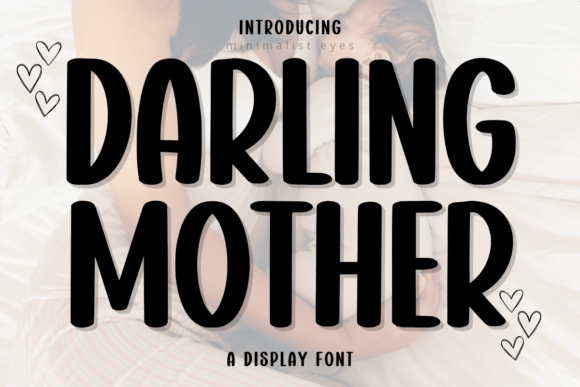
In the landscape of digital typography, display fonts serve a specific and critical function: they capture attention and establish tone before a single word is read. Darling Mother is a lively display font that adds a sprinkle of fun to any design. With its rounded edges and playful letterforms, it exudes a sense of whimsy and versatility. While the aesthetic appeal is immediate, designers and brand managers must look beyond the surface to determine if this typeface aligns with their long-term communication goals. This evaluation explores the characteristics, applications, and limitations of Darling Mother to assist in making an informed selection.
Understanding the Design Philosophy
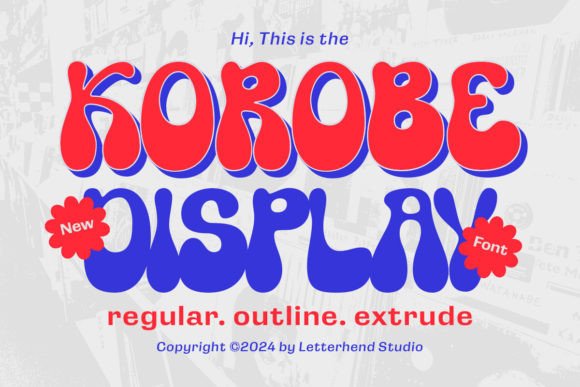
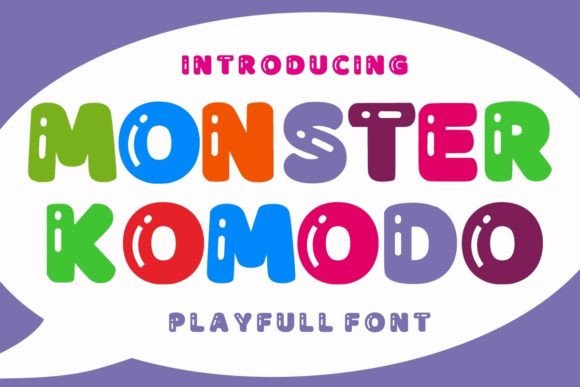
Darling Mother belongs to the category of rounded sans-serif or bubble-style typefaces, though it often incorporates unique quirks that distinguish it from generic geometric fonts. The defining characteristic of Darling Mother is its softness. Unlike sharp-edged modernist fonts that convey precision and cold efficiency, Darling Mother utilizes curved terminals and inflated strokes to create a visual texture that feels approachable and organic.
The "playful letterforms" mentioned in its description are not merely decorative; they are structural elements that dictate how the text is perceived psychologically. When a viewer encounters these shapes, the brain associates them with concepts such as childhood, creativity, comfort, and informality. This makes Darling Mother a powerful tool for emotional branding, but it also limits its utility in contexts requiring authority or seriousness. Understanding this psychological impact is the first step in evaluating whether the font fits a specific project.
Why Consider Darling Mother?
There are several compelling reasons why a designer might select Darling Mother for a project. The primary driver is usually the need to break away from corporate sterility. In industries saturated with clean, minimalist sans-serifs, Darling Mother offers a distinct voice that stands out. It signals to the audience that the brand is human-centric, creative, and perhaps a bit unconventional.
Versatility within a niche is another key factor. While it may not be suitable for every document, within the realm of consumer-facing materials, it adapts well to various weights and sizes without losing its character. It works effectively in large headlines where its personality can shine, and it maintains legibility in medium-sized subheads. For projects targeting younger demographics or families, the font's inherent friendliness acts as a bridge between the brand and the consumer.
Key Benefits of Adoption
- High Memorability: Unique typography aids in brand recall. Darling Mother's distinctive shape makes it harder for audiences to forget compared to ubiquitous system fonts.
- Emotional Connection: The rounded forms trigger positive associations, lowering barriers to engagement for new customers.
- Visual Warmth: It softens the overall aesthetic of a layout, making dense information feel less intimidating and more inviting.
- Creative Flexibility: Its structure allows for easy manipulation in logo design, such as connecting letters or adding custom flourishes without breaking the visual rhythm.
Tradeoffs and Considerations
Selecting Darling Mother involves acknowledging certain tradeoffs. The most significant limitation is legibility at small scales. Because the font relies on thick strokes and rounded details, reducing the size too much can cause the characters to blur together, particularly on low-resolution screens or when printed on textured paper. It is generally not recommended for body copy in paragraphs longer than a few lines.
Another consideration is the potential for perceived immaturity. While "whimsy" is a strength in marketing toys or artisanal food products, it can undermine credibility in sectors like finance, law, or healthcare. If the goal is to project stability and rigorous expertise, the playful nature of Darling Mother might send mixed signals. Designers must weigh the desire for uniqueness against the risk of appearing unprofessional to a conservative audience.
Furthermore, the file size and rendering performance should be considered for web applications. Display fonts often contain complex curves and multiple glyphs, which can increase load times if not optimized correctly. For high-traffic websites where speed is paramount, the overhead of loading a custom font like Darling Mother must be justified by the conversion benefits it provides.
Ideal Use Cases
Darling Mother is ideal for situations where the primary objective is to evoke joy, curiosity, or nostalgia. It is a strong fit for:
- Packaging Design: Products such as snacks, beverages, or baby items benefit from the tactile feel of the font. On a shelf, Darling Mother can make a package pop against competitors using standard typography.
- Event Posters and Invitations: For parties, workshops, or community gatherings, the font sets an energetic and welcoming tone immediately.
- Children's Media: Books, educational apps, and toy branding align perfectly with the font's youthful energy.
- Creative Branding: Startups in the lifestyle, fashion, or creative services sectors can use it to differentiate themselves as approachable and innovative.
When to Consider Alternatives
Despite its charm, there are scenarios where alternatives to Darling Mother are worth considering. If the project requires extensive blocks of text, a dedicated serif or a highly readable sans-serif is a better choice. Legibility always takes precedence over style when conveying complex information.
Additionally, if the brand identity is built on minimalism or luxury, Darling Mother may clash with the desired aesthetic. Luxury brands often prefer thin, elegant lines or classic serifs that imply heritage and exclusivity. Similarly, technical documentation or scientific reports require neutrality; the "sprinkle of fun" provided by Darling Mother could distract from the data.
Designers should also consider the longevity of the trend. Bubble and rounded fonts have cyclical popularity. If a brand intends to use the typeface for decades without rebranding, it is prudent to evaluate whether Darling Mother will age well or appear dated in five years. In such cases, a more timeless font family might offer better ROI.
Practical Decision-Making Insights
To determine if Darling Mother aligns with your specific goals, apply a simple test: visualize the font in your most critical context. Does it work on a business card? On a mobile app button? On a billboard? If the answer is no for the majority of your touchpoints, it may not be the right foundation for your brand.
Consider pairing Darling Mother with a neutral companion font. Using it strictly for headlines while employing a clean sans-serif for body text can mitigate readability issues while retaining the brand's personality. This hybrid approach often yields the best results, balancing the "cheerfulness and creativity" of the display font with the functional requirements of communication.
Finally, gather feedback from a representative sample of your target audience. What looks "fun" to a designer might look "childish" to a client. Objective user testing can reveal whether the font achieves the intended emotional response or if it creates unintended friction. By approaching the selection process with a balanced view of both aesthetic appeal and functional utility, you can ensure that Darling Mother serves your design rather than dictating it.