Korobe: A Practical Evaluation of a Whimsical Display Font
In the vast landscape of digital typography, selecting the right typeface is often the difference between a design that resonates and one that falls flat. Korobe has emerged as a distinct option for designers seeking to inject personality into their projects. Known for its rounded, bubbly letterforms and cartoon-like aesthetic, this font promises a funky pop feel that can transform standard layouts into playful experiences. However, like any specialized tool, Korobe is not a universal solution. Understanding its specific strengths, limitations, and ideal applications is crucial for making an informed decision about whether it aligns with your design goals.
Understanding the Korobe Aesthetic
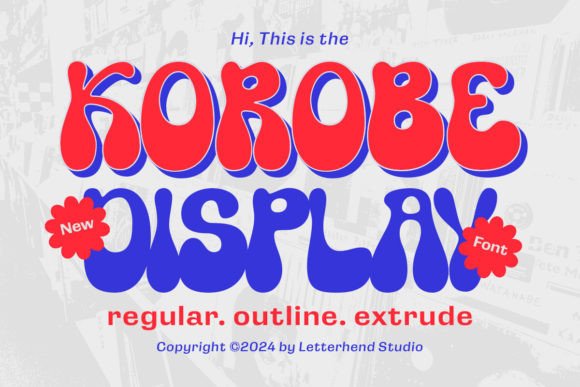
Korobe is a display typeface characterized by its exaggerated curves and soft edges. Unlike traditional serif or sans-serif fonts designed for high legibility at small sizes, Korobe leans heavily into a whimsical style. Its letters appear inflated, resembling bubbles or friendly shapes, which gives the text an approachable and non-threatening vibe. This "playful friend" persona is intentional; the font mimics the visual language found in children's books, comic strips, and retro pop art.
The defining feature of Korobe is its uniformity in stroke weight and curvature. There are no sharp angles or rigid lines here. Every character is designed to flow into the next, creating a sense of movement and energy even when static. This makes it visually engaging, but it also means the font relies on context to convey meaning effectively. It is a decorative choice first and a functional tool second, a distinction that must be clear before integration into any project.
Reasons to Consider Korobe for Your Projects
Designers might find themselves drawn to Korobe for several practical reasons, primarily revolving around tone and audience engagement. If the objective of a design is to lower barriers and create an immediate sense of fun, Korobe serves this purpose well. Its inherent playfulness can make complex or dry subjects feel more accessible, particularly when targeting younger demographics or communities centered around leisure and creativity.
- Brand Personality: For startups or small businesses in the creative, food, or entertainment sectors, Korobe can help establish a brand voice that feels human and relatable.
- Visual Impact: In environments saturated with clean, minimalist typography, Korobe stands out. It grabs attention quickly, making it effective for headlines or call-to-action buttons where visibility is paramount.
- Emotional Connection: The rounded shapes psychologically signal safety and friendliness. This can be beneficial for designs aiming to evoke nostalgia or joy.
Furthermore, the versatility of Korobe within its niche allows for various stylistic treatments. When paired with bold colors and dynamic layouts, it amplifies the "funky pop" effect, creating cohesive visuals that feel curated rather than generic.
Benefits, Tradeoffs, and Design Considerations
While the benefits of using a distinctive font like Korobe are clear, there are significant tradeoffs to consider. The most notable limitation is legibility. Because the letters are stylized and bubbly, they can become difficult to read when used in long paragraphs or at small point sizes. The intricate curves may blur together on low-resolution screens or when printed in fine detail. Therefore, Korobe should generally be reserved for short bursts of text, such as titles, logos, or captions.
Another consideration is the risk of overuse. Fonts with strong personalities can date a design quickly if trends shift. What feels fresh and modern today might look kitschy in a few years. Additionally, because Korobe is so distinct, it requires careful pairing with other typefaces. Using it alongside another display font can create visual chaos, while pairing it with a neutral, simple sans-serif often provides the necessary balance to let Korobe shine without overwhelming the viewer.
Designers must also consider accessibility. Users with visual impairments or dyslexia may struggle with highly stylized fonts that lack clear character differentiation. Ensuring sufficient contrast and avoiding the use of Korobe for critical information is a responsible design practice.
Ideal Scenarios for Korobe Integration
Korobe finds its strongest footing in specific contexts where playfulness is a requirement rather than a distraction. It is an excellent fit for:
- Children's Products and Media: From book covers to toy packaging, the friendly nature of the font appeals directly to young audiences and their parents.
- Event Marketing: Posters for parties, festivals, workshops, or community gatherings benefit from the energetic vibe Korobe provides.
- Casual Branding: Cafes, ice cream shops, craft breweries, and boutique clothing brands often use such fonts to signal a relaxed atmosphere.
- Social Media Graphics: Where brevity is key, Korobe works well for Instagram stories, promotional banners, and meme-style content.
In these scenarios, the font acts as a visual cue that sets expectations for the experience. It tells the viewer immediately that the content is meant to be enjoyed and not taken too seriously.
When to Explore Alternatives
Despite its charm, Korobe is not suitable for every design challenge. There are situations where alternatives are not just preferable but necessary. Corporate communications, legal documents, financial reports, and academic materials require clarity and authority—qualities that Korobe inherently lacks. Using a bubbly font in these contexts can undermine credibility and confuse the reader.
Similarly, if the design requires extensive body text, a standard serif or sans-serif font is the only viable option. Attempting to force Korobe into a paragraph format will result in a poor reading experience. Even for headlines, if the message is serious, urgent, or somber, the lighthearted nature of Korobe creates a tonal dissonance that can alienate the audience. In cases where a professional yet modern look is desired, a geometric sans-serif might offer a cleaner alternative that maintains readability without sacrificing style.
Practical Decision-Making Insights
Deciding whether to incorporate Korobe into your workflow involves a strategic evaluation of your project's core objectives. Before downloading or licensing the font, ask yourself what emotional response you wish to elicit. If the answer involves excitement, fun, or warmth, Korobe is a strong contender. However, if the goal is trust, efficiency, or seriousness, look elsewhere.
Test the font in the actual environment where it will be used. Check how it scales on mobile devices and how it pairs with your chosen color palette. Ensure that the "funky pop" feel enhances the message rather than distracting from it. Remember that good typography serves the content; it should never overpower it. By weighing the aesthetic appeal against functional requirements, you can determine if Korobe is the right partner for your next design endeavor.