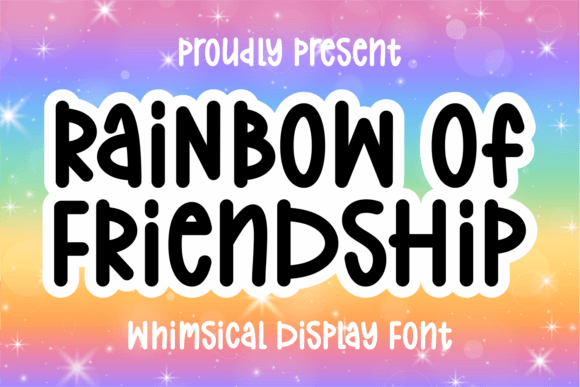
Rainbow of Friendship: A Guide to Authentic Whimsy in Typography
Typography often dictates the emotional temperature of a design before a single word is read. When you need to convey joy, playfulness, and an unapologetic sense of fun, Rainbow of Friendship stands out as a distinct choice. This authentically enchanting display font does more than just sit on the page; it exudes a whimsical charm that infuses energy into any project. Whether you are dressing up kids' t-shirts or crafting a seasonal invitation, this typeface brings a vibrant spirit that generic scripts simply cannot match. However, like any specialized display font, its power lies in how it is applied. Using it incorrectly can dilute its impact, turning a potential standout piece into visual noise.
Understanding the Versatility of Rainbow of Friendship
Rainbow of Friendship is not merely a decorative script; it is a tool for storytelling. Its clean yet vibrant strokes make it a winning choice for designing cards, magazines, and greeting cards where readability must coexist with personality. One of its most significant strengths is its multilingual support. Many playful fonts fail when designers attempt to use them beyond English, but this font gracefully accommodates Eastern European accents and other character sets. This feature extends its warmth beyond language barriers, making it a practical option for international brands or diverse communities.
When used as a logotype, Rainbow of Friendship allows brands to step into the limelight with ease. It breathes life into quotes and elevates brand designs with a unique flair that feels both modern and timeless. From product packaging to labels and posters, the font accentuates content with charisma. Yet, understanding its capabilities is only half the battle. The real value comes from knowing where it fits and where it should be left alone.
Common Pitfalls When Choosing Playful Display Fonts
A frequent mistake among beginners and even seasoned marketers is assuming that a "fun" font works everywhere. The desire to inject personality often leads to overuse. Designers might apply Rainbow of Friendship to body text, long paragraphs, or serious corporate announcements. This is a critical error. Because it is a display font, its intricate details and exaggerated curves are meant for headlines, short phrases, and logos. Using it for large blocks of text destroys readability and strains the viewer's eyes, causing them to disengage immediately.
Another overlooked detail is the context of the audience. While the font merrily sits on kids' t-shirts, adding a playful touch to their apparel, using it for a financial report or a medical disclaimer would be tone-deaf. The mismatch between the font's joyful spirit and the gravity of the content creates cognitive dissonance. It signals a lack of professionalism and can undermine the credibility of the message. Always ask yourself if the whimsical nature of the typeface supports the core message or distracts from it.
The Trap of Ignoring Technical Limitations
Before downloading or buying, many users skip checking the technical specifications. They see the preview and assume it includes every character they need. With Rainbow of Friendship, while the multilingual support is robust, it is still essential to verify the specific glyph set against your project requirements. If you are creating a poster for a community event in a region with specific diacritical marks, ensure those characters render correctly without breaking the flow of the design. Failing to do so results in missing boxes or broken letters, which looks unprofessional and ruins the presentation.
Furthermore, resolution matters. Display fonts with complex curves can sometimes lose definition when scaled down too small. If you plan to use this font on small product labels or business card details, test it at the actual print size first. What looks crisp on a monitor may appear muddy or indistinct on paper. This oversight affects usability and quality, potentially leading to wasted materials and reprints.
Strategic Application for Maximum Impact
To avoid these common errors, adopt a strategy of restraint and intentionality. Use Rainbow of Friendship as the anchor of your design, not the filler. Pair it with a clean, neutral sans-serif for body copy. This combination allows the font to shine in headlines and titles while ensuring the rest of the information remains accessible. For example, on a magazine cover, let the title pop with this font, but keep the article summaries in a straightforward typeface.
Consider the medium carefully. On product packaging, the font can act as a beacon of joy, drawing attention to a sweet treat or a toy. However, ensure there is enough negative space around the text. Crowding a whimsical font makes it look cluttered rather than charming. Give the letters room to breathe. This spacing enhances the "clean and vibrant" aesthetic that defines the typeface.
Evaluating Seasonal and Trend Relevance
If you are looking for a seasonal or trendy font, Rainbow of Friendship never lacks behind, but trends have lifecycles. Before committing to a long-term brand identity, consider whether the specific style of whimsy will age well. While this font has a classic feel, testing it against different color palettes and backgrounds is crucial. Does it maintain its charisma on dark backgrounds? Does it work in monochrome? A versatile font should adapt to various environments without losing its essence.
Also, evaluate the licensing terms before purchase. Ensure the license covers your intended use, whether it is for commercial products like t-shirts or digital marketing campaigns. Buying a font without the right permissions can lead to legal issues and unexpected costs later. Always read the fine print to confirm that your usage aligns with the creator's terms.
Final Considerations for Designers and Creators
Bringing out the authenticity and joyful spirit of your designs requires more than just selecting a pretty font; it requires understanding the psychology of typography. Rainbow of Friendship offers a unique opportunity to connect with audiences through emotion. But that connection breaks if the execution is sloppy or inappropriate.
Before you finalize your decision, download a trial version if available. Type out your actual headlines and test them in your layout software. Check the kerning, the weight, and the overall balance. Look for any awkward gaps or collisions between letters. These small adjustments make a massive difference in the final output. By taking the time to evaluate and apply the font correctly, you ensure that your projects not only look good but also communicate effectively.
In a world saturated with generic designs, choosing a font with character is a bold move. Rainbow of Friendship provides that character, provided you wield it with care. Avoid the trap of overuse, respect the limitations of display typography, and always prioritize clarity alongside creativity. When done right, this font becomes more than just letters; it becomes a vehicle for joy, inviting viewers into a world of warmth and imagination.