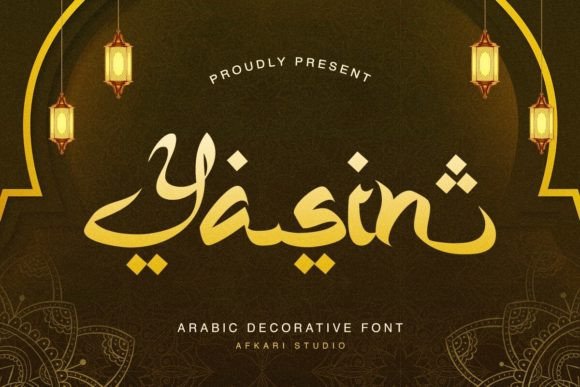
Yasin: Elevating Design Through the Art of Arabic Calligraphy
In the vast landscape of digital typography, few typefaces manage to bridge the gap between ancient tradition and modern utility as effectively as Yasin. This exquisite Arabic decorative display font does more than simply render characters; it embodies the charm and intricacy of traditional Arabic calligraphy, offering designers a unique tool to honor cultural heritage while meeting contemporary aesthetic demands. For professionals ranging from branding experts to independent hobbyists, understanding the nuances of Yasin provides a pathway to creating visuals that are not only legible but deeply resonant.
The journey of integrating such a specific and ornate typeface into a design workflow begins with an appreciation of its foundational elements. Unlike standard sans-serif or serif fonts designed for body text, Yasin is crafted for impact. It features elaborate details and flowing lines that add a touch of elegance and sophistication to any project. When used correctly, it transforms ordinary text into a visual masterpiece, capturing the viewer's attention immediately. This capability makes it an invaluable asset for those looking to convey a sense of luxury, history, or artistic depth in their communications.
The Architectural Beauty of Yasin
To truly utilize Yasin, one must first understand what sets its architecture apart from other decorative scripts. The font is built upon the principles of fluidity and balance inherent in classical Arabic script, yet it pushes these boundaries to create a distinct decorative style. The strokes vary in thickness, mimicking the pressure of a reed pen on parchment, which adds a tactile quality to digital screens and print media alike.
One of the defining characteristics of Yasin is its elaborate detailing. These are not merely embellishments added after the fact; they are integral to the letterforms themselves. Swirls, dots, and extended terminals interact with one another to create a cohesive visual rhythm. This level of intricacy means that Yasin is best suited for headlines, logos, and short phrases where the eye can linger on the details. Attempting to use it for long paragraphs would likely result in visual clutter, detracting from the very beauty the font aims to showcase.
Furthermore, the flowing lines of Yasin create a sense of movement. In static design, this movement guides the reader's eye naturally across the composition. Whether the text is arranged horizontally or vertically, the internal dynamics of the font ensure that the message feels alive. This dynamic quality is crucial for projects that demand attention, such as event invitations or high-end packaging, where the typography itself acts as a primary visual element.
Technical Considerations for Implementation
While the aesthetic appeal of Yasin is undeniable, successful implementation requires technical precision. Because the font is highly decorative, kerning and spacing become critical factors. Designers must pay close attention to how individual glyphs interact, ensuring that the elaborate tails and flourishes do not overlap awkwardly or obscure the readability of adjacent letters. In many cases, manual adjustment of letter-spacing is necessary to achieve the perfect balance between density and openness.
Another consideration is scalability. A font that looks stunning at a large size may lose its definition when scaled down. Yasin, with its fine details, should generally be kept at sizes that allow the intricate work to remain visible. On digital platforms, screen resolution plays a significant role; high-resolution displays will render the font beautifully, while lower-resolution screens might blur the finer lines. Therefore, testing the font across various devices and output mediums is a vital step in the design process.
Strategic Applications Across Industries
The versatility of Yasin extends beyond simple decoration; it serves as a strategic tool for communication in various sectors. Its ability to convey cultural richness and sophistication makes it particularly effective in industries where brand identity relies on heritage, artistry, or exclusivity.
Branding and Corporate Identity
For business owners and brand strategists, Yasin offers a powerful way to differentiate a brand in a crowded market. A logo incorporating Yasin instantly signals a connection to tradition and quality. This is especially relevant for businesses in the hospitality, fashion, and luxury goods sectors. Imagine a boutique hotel chain using Yasin for its signage and stationery; the font immediately evokes a sense of opulence and personalized service. Similarly, a fashion label specializing in modest wear or traditional textiles could use Yasin to reinforce its commitment to cultural authenticity.
However, the application must be thoughtful. Using Yasin in a corporate identity requires balancing the decorative nature of the font with the need for clarity. It often works best as a logotype rather than a standalone symbol, allowing the name of the company to carry the weight of the brand story. When paired with a clean, neutral sans-serif for supporting text, Yasin creates a harmonious contrast that enhances both elements.
Event Invitations and Stationery
Perhaps no medium showcases the potential of Yasin better than event invitations. Weddings, galas, and cultural festivals often require a level of formality and elegance that standard fonts cannot provide. Yasin transforms an invitation into a keepsake, setting the tone for the event before the recipient even reads the details. The elaborate details and flowing lines suggest celebration and importance, making guests feel valued and anticipated.
Designers working in this space can leverage Yasin to create custom headers, monograms, or decorative borders. The font's adaptability allows it to be integrated into complex layouts without overwhelming the essential information. By using Yasin for the names of the hosts or the title of the event, designers can draw immediate focus to the most important elements of the invitation.
Digital Media and User Interfaces
In the realm of digital platforms, Yasin stands out as a versatile and beautiful typeface capable of enhancing user experience through visual delight. While it is not suitable for body copy in web interfaces, it excels in hero sections, app splash screens, and promotional banners. For educational websites focusing on Arabic culture or language learning, Yasin can serve as an engaging header that captures the essence of the subject matter.
Moreover, in social media graphics, where competition for attention is fierce, Yasin offers a way to break through the noise. A post featuring a headline in Yasin is more likely to stop a scrolling user than one using generic typography. This makes it an excellent choice for content creators and marketers aiming to increase engagement rates on platforms like Instagram or Pinterest.
Cultural Significance and Artistic Heritage
Beyond its practical applications, Yasin holds a deeper significance as a vessel for cultural expression. Arabic calligraphy is one of the oldest and most revered art forms in the Islamic world, historically used to transcribe religious texts and decorate architectural marvels. By digitizing these traditions into a font like Yasin, we preserve and celebrate this artistic legacy for future generations.
Using Yasin in modern design is an act of honoring these traditions. It acknowledges the skill and patience required to master the art of the reed pen and translates that spirit into the digital age. For researchers and educators, the font serves as a tangible example of how traditional aesthetics can evolve without losing their core identity. It demonstrates that technology and tradition are not mutually exclusive but can coexist to produce something greater than the sum of their parts.
This cultural resonance also adds emotional value to designs. When a consumer sees a product or message presented in Yasin, they are subconsciously connecting with a rich history of artistry. This emotional connection can foster trust and loyalty, as the brand or creator is perceived as respectful and knowledgeable about the culture it represents.
Navigating Cultural Sensitivity
While the benefits are clear, it is essential to approach the use of Yasin with cultural sensitivity. As a font rooted in specific traditions, it should be used in contexts that respect its origins. Misusing it for trivial or inappropriate subjects can dilute its meaning and potentially cause offense. Designers should consider the context of their project and ensure that the use of Yasin aligns with the values and expectations of the audience.
Educators and content creators have a responsibility to explain the background of the font when introducing it to new audiences. Sharing the story behind the design choices and the historical influences can enrich the user's understanding and appreciation. This educational aspect turns the font from a mere design element into a conversation starter about art, history, and culture.
Future Trends in Decorative Typography
As design trends continue to evolve, there is a growing appreciation for typefaces that offer personality and narrative. The rise of "humanist" and "craft" aesthetics suggests that fonts like Yasin will play an increasingly important role in the industry. Consumers are becoming more discerning, seeking brands and products that tell a story and reflect a commitment to quality.
We are likely to see more integration of culturally specific fonts in global design projects. As the world becomes more interconnected, the desire for authentic representation grows. Yasin exemplifies this trend, offering a way to bring Arabic artistic traditions to a global audience. Its success paves the way for other regional and cultural typefaces to gain prominence, diversifying the typographic landscape.
Furthermore, advancements in variable font technology may allow for even greater customization of fonts like Yasin in the future. Imagine being able to adjust the degree of elaboration or the flow of the lines dynamically based on the design needs. This would open up new possibilities for interactive design and responsive typography, further expanding the utility of such expressive typefaces.
Conclusion on Design Potential
Ultimately, Yasin offers designers a tool to create stunning visuals that honor and celebrate Arabic artistic traditions. Its decorative elements make it perfect for projects that demand attention and convey a sense of cultural richness. Whether in digital platforms or print media, Yasin stands out as a versatile and beautiful typeface, bringing a timeless and artistic quality to creative works.
For anyone involved in the creation of visual content, exploring the capabilities of Yasin is a worthwhile endeavor. It challenges designers to think beyond functionality and embrace the power of ornamentation. By mastering the use of such a font, creators can elevate their work, connect with audiences on a deeper level, and contribute to the ongoing evolution of graphic design. The interplay of tradition and innovation found in Yasin is a reminder that great design is not just about solving problems, but about inspiring wonder.