Word Kids: A Playful Cartoon Font for Every Project
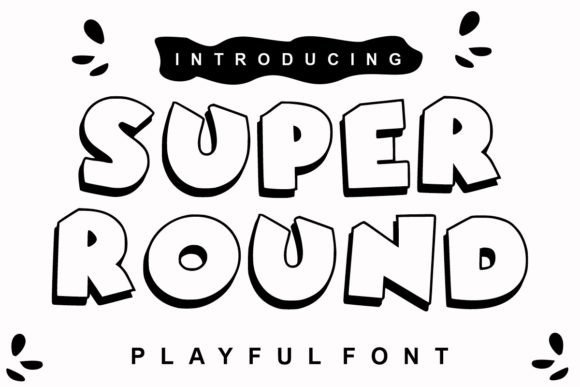
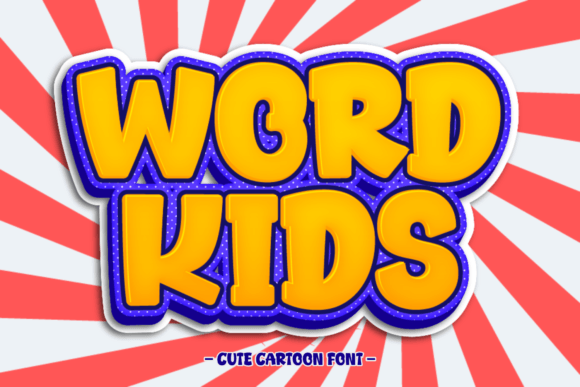
There is a unique magic in typography that can instantly shift the mood of a design from serious to spirited. When you need a typeface that feels like a hug or a high-five, Word Kids steps into the spotlight. This cute cartoon font brings a playful and whimsical touch to any design project, characterized by its bold, rounded characters and a cheerful, childlike aesthetic. It is not just a collection of letters; it is a visual language designed to evoke joy, curiosity, and warmth. Whether you are crafting a storybook for toddlers or branding a new line of eco-friendly toys, this typeface offers a visually appealing and charming solution that brings a smile to any project.
The Character of Word Kids
At its core, Word Kids is defined by its approachability. Unlike rigid serif fonts that convey authority or sleek sans-serifs that suggest modern minimalism, this font leans heavily into the realm of fun. The strokes are thick and bouncy, with soft curves replacing sharp angles. This design choice makes the text feel friendly and non-threatening, which is essential when the primary audience includes children. The letterforms often appear as if they were hand-drawn with a thick marker, adding a layer of authenticity and human touch that digital precision often lacks.
For designers, understanding the "personality" of a font is crucial. Word Kids speaks a dialect of innocence and energy. It suggests movement and laughter. When applied to a page, it immediately signals that the content is safe, entertaining, and meant to be enjoyed without pressure. This makes it an excellent tool for breaking down barriers between the viewer and the message, creating an immediate emotional connection.
Why Different Audiences Value This Typeface
The appeal of Word Kids extends far beyond simple decoration. Its value shifts depending on who is using it and what they hope to achieve. For a beginner graphic designer, it might represent an easy win—a way to make a project look professional yet fun without needing advanced kerning skills. For a seasoned marketing professional, it represents a strategic asset for targeting specific demographics. Let’s explore how various groups interact with this font and why their priorities differ.
Educators and Content Creators
For teachers, homeschooling parents, and educational publishers, readability and engagement are paramount. Children learning to read often struggle with complex letter shapes. The bold, distinct characters of Word Kids can actually aid in letter recognition while keeping young minds engaged. An educator designing a worksheet about animals or a classroom poster about kindness will find that this font transforms a mundane task into an inviting activity.
- Priority: Engagement and legibility for young eyes.
- Use Case: Flashcards, classroom banners, early reader books, and activity sheets.
- Benefit: Reduces the intimidation factor of text, encouraging participation.
However, experienced educators know that while fun is important, clarity cannot be sacrificed. They evaluate Word Kids based on how well it holds up at smaller sizes or in long paragraphs. While perfect for headlines and short bursts of text, a teacher might pair it with a simpler sans-serif for body copy to ensure the lesson remains accessible.
Small Business Owners and Entrepreneurs
For the entrepreneur launching a brand focused on family products, the right font is a cornerstone of identity. If you are selling organic baby food, handmade dolls, or party supplies, your packaging needs to communicate trust and fun simultaneously. Word Kids serves as a powerful differentiator in a crowded market. It tells the consumer immediately that the product is made with love and intended for enjoyment.
A small business owner might prioritize cost-effectiveness and versatility. They need a font that looks great on a sticker, a website header, and a social media post without requiring expensive custom illustration. The commercial viability of Word Kids lies in its ability to elevate a budget-conscious design to something that feels premium and thoughtful. It helps small brands compete with larger corporations by offering a personality that big, corporate logos often lack.
Freelancers and Professional Designers
Professional creatives often seek fonts that offer flexibility within a specific niche. For a freelance illustrator working on children's book covers or a marketer designing a birthday party invitation suite, Word Kids provides a reliable foundation. These users care deeply about licensing, file compatibility, and how the font interacts with other design elements.
They might use this typeface to create contrast against more geometric or industrial backgrounds. By pairing the softness of Word Kids with clean lines and vibrant colors, a professional can create a dynamic composition that feels balanced. Their evaluation focuses on technical reliability: Does the font render correctly across different devices? Are the ligatures and special characters available? For them, the font is a tool in a larger arsenal, chosen specifically for its ability to execute a client's vision of "whimsy."
Hobbyists and Parents
Not everyone uses fonts for profit. Parents creating scrapbooks, hobbyists making personalized gifts, or community organizers planning local events also benefit from access to quality typography. For these individuals, ease of use is the top priority. They may not have years of design training but still want their creations to look polished.
Word Kids is forgiving and intuitive. Even a beginner can select this font and instantly improve the look of a homemade birthday card or a school newsletter. It removes the guesswork of styling, allowing the creator to focus on the message and the memories being captured. The charm of the font does the heavy lifting, ensuring the final result looks cohesive and heartfelt.
Determining if Word Kids Fits Your Needs
Before integrating Word Kids into your workflow, it is helpful to assess whether it aligns with your specific goals. While its playful nature is a strength, it is not a universal solution for every design challenge.
- Consider Your Audience: Is your primary audience children, families, or adults looking for nostalgia? If so, this font is likely a strong match. If you are targeting a corporate finance sector or a luxury fashion brand, this typeface may undermine your message.
- Evaluate the Context: Where will the text appear? It shines in headlines, logos, and short phrases. For long-form reading material, consider using it sparingly or pairing it with a highly readable body font.
- Check Technical Requirements: Ensure the font supports the languages and character sets you need. If you are creating multilingual materials, verify that the glyphs extend beyond standard English characters.
- Assess Brand Consistency: Does the whimsical style align with your existing brand voice? Consistency builds trust, so ensure this playful element complements your overall visual identity rather than clashing with it.
Ultimately, Word Kids is more than just a decorative element; it is a strategic choice for those who understand the power of emotion in design. Whether you are an educator trying to spark a love for reading, a business owner aiming to delight customers, or a parent celebrating a milestone, this font offers a versatile and heartwarming way to communicate. By choosing a typeface that resonates with your audience's feelings, you transform simple words into an experience that lingers long after the screen fades or the paper is folded away.