Thomas Reginald: The Retro Groove That Brings Your Designs to Life
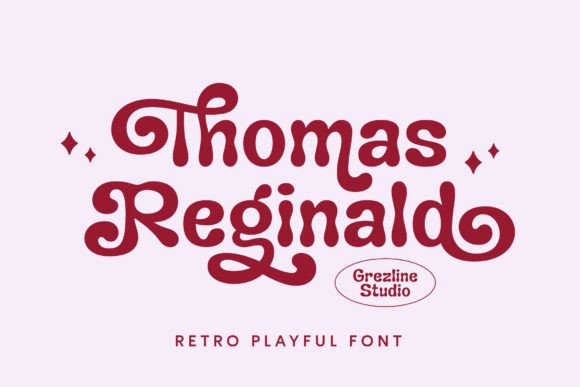
In a digital landscape often dominated by sleek minimalism and sterile sans-serifs, there is a distinct hunger for personality. Designers and creators are constantly searching for typefaces that can cut through the noise and inject a sense of nostalgia, fun, and human connection into their work. This is where Thomas Reginald steps in. It is not just another font; it is a visual statement. Thomas Reginald is a retro, groovy, and playful font designed to captivate attention immediately. With its funky curves and psychedelic vibe, it serves as the perfect tool for projects that need a splash of color and character.
Whether you are an entrepreneur launching a new brand or a hobbyist designing a birthday invitation, the right typography can make or break your message. Thomas Reginald offers a unique solution for those moments when standard fonts feel too serious or boring. Its design language speaks directly to the late 60s and early 70s aesthetic, evoking feelings of freedom, creativity, and joy. But beyond the style, it is about how this typeface functions in real-world scenarios to solve specific communication challenges.
Understanding the Vibe of Thomas Reginald
At its core, Thomas Reginald is built on the principles of organic movement. Unlike rigid geometric fonts, this typeface mimics the fluidity of hand-drawn lettering found in vintage posters and album covers. The letters have a slight wobble and exaggerated serifs that give them a bouncing, energetic quality. This makes the text feel alive rather than static.
The "psychedelic" aspect of the font comes from its ability to handle bold weights without losing legibility. When you scale it up for a headline, the intricate details pop, creating a visual texture that draws the eye. However, it remains grounded enough to be used in shorter phrases without becoming chaotic. This balance is crucial for modern designers who want to use retro styles without sacrificing readability. It captures the essence of the era while remaining functional for contemporary audiences.
Real-World Applications for Creative Projects
The true value of Thomas Reginald lies in its versatility across various creative mediums. It is particularly effective when the goal is to evoke emotion or set a specific mood. Here are several realistic scenarios where this font shines:
- Book Covers and Publishing: For authors writing fiction, memoirs, or children's books with a whimsical tone, Thomas Reginald can serve as a standout title font. Imagine a mystery novel set in the 1970s or a fantasy story with a magical realism twist. Using this font on the cover instantly signals to the reader that the story inside is anything but ordinary. It creates an immediate hook before the book is even opened.
- Event Posters and Flyers: If you are organizing a music festival, a vintage car meet, or a community art fair, your promotional materials need to scream energy. Thomas Reginald is ideal for event titles. It works exceptionally well when paired with vibrant, saturated colors like orange, teal, and mustard yellow. The font's playful nature matches the excitement of live events, encouraging people to attend.
- Product Packaging: In the crowded retail market, packaging is your silent salesperson. For brands selling artisanal goods, craft beers, organic snacks, or handmade cosmetics, Thomas Reginald adds a layer of authenticity. It suggests that the product inside was made with care and passion, appealing to consumers who value craftsmanship over mass production.
- Mercandise and Apparel: T-shirts, tote bags, and stickers are popular ways for individuals and businesses to express their identity. A graphic tee featuring a slogan in Thomas Reginald feels like a piece of wearable art. It stands out in a sea of plain text logos, making the wearer look stylish and culturally aware.
Logotypes and Brand Identity
For small business owners and startups, establishing a memorable brand identity is critical. A logotype created with Thomas Reginald can differentiate a company from its competitors. Consider a boutique coffee shop named "The Daily Grind" or a creative agency called "Neon Dreams." Using this font for the logo communicates a relaxed, approachable, and innovative atmosphere. It tells customers that they can expect a unique experience, whether it's a specialty latte or a fresh marketing campaign.
However, using Thomas Reginald for a full corporate identity requires careful consideration. While it is fantastic for headlines and logos, it may not be suitable for long paragraphs of body text due to its decorative nature. The best approach is to pair it with a clean, neutral sans-serif font for the main content. This combination allows the retro flair to grab attention while ensuring the detailed information remains easy to read.
Who Benefits Most from This Typeface?
Different users find value in Thomas Reginald for different reasons. Freelance graphic designers appreciate its ability to deliver high-impact results quickly, saving time on custom lettering. Marketers use it to create social media graphics that stop the scroll, leveraging its distinctive shape to increase engagement rates. Educators might use it in classroom materials to make learning more engaging for students, turning dry topics into visually stimulating lessons.
Even everyday users who aren't professional designers can benefit. If you are planning a themed party, creating a scrapbook, or designing a personalized gift, having access to a font like Thomas Reginald elevates the final result. It transforms a simple document into a polished, professional-looking creation without requiring advanced design skills. The font does much of the heavy lifting in terms of style, allowing the user to focus on the message.
Practical Considerations Before You Download
While Thomas Reginald is a powerful tool, it is important to use it wisely. Before downloading or purchasing the font, consider the context of your project. Does the retro vibe align with your brand values? If you are running a law firm or a medical practice, this playful typeface might send the wrong message. It is best suited for industries related to lifestyle, entertainment, food and beverage, fashion, and creative services.
Also, think about legibility. Because the font has such strong character, it works best at larger sizes. Avoid using it for footnotes or fine print. Test the font in your actual design environment to see how it interacts with other elements like images and background textures. Sometimes, a solid background can overwhelm the details of the letters, so experimenting with contrast is key.
Licensing is another factor to keep in mind. Ensure you understand the usage rights associated with the font file. Are you allowed to use it for commercial products? Can you embed it in web pages? Clarifying these details upfront prevents legal headaches down the road and ensures you are respecting the work of the type designer.
Bringing the Funky Vibe to Your Next Project
In conclusion, Thomas Reginald is more than just a collection of characters; it is a design asset that brings history and personality to modern projects. Its ability to blend retro charm with contemporary usability makes it a favorite among creators who want to stand out. Whether you are designing a poster for a local concert, branding a new line of eco-friendly products, or simply adding some flair to a personal blog, this font offers a reliable way to capture attention.
The world of design is full of options, but few typefaces manage to strike the perfect balance between fun and function. By choosing Thomas Reginald, you are opting for a design that speaks with confidence and style. It invites viewers to slow down, appreciate the detail, and engage with your content on a deeper level. So, if you are ready to add a touch of psychedelic groove to your next creative endeavor, this is the font that will help you get there.