Super College: A Strategic Typography Choice for Bold Branding
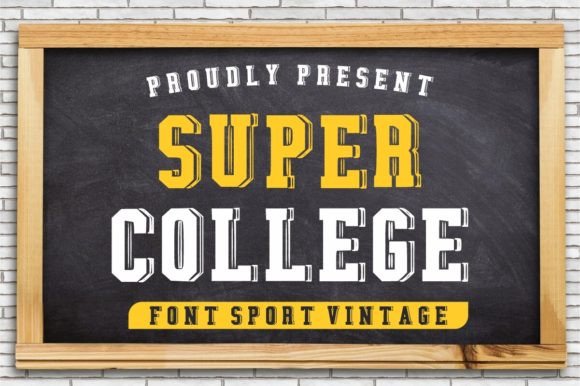
In the competitive landscape of visual communication, the choice of typeface is rarely just an aesthetic preference; it is a strategic decision that influences perception, trust, and engagement. Super College stands out as an authentic sports classic display font, deeply rooted in the traditions of collegiate typography. For entrepreneurs, marketers, and creators aiming to project authority, energy, and tradition simultaneously, understanding the specific utility of this typeface is essential. It is not merely a decorative element but a tool designed to capture the energy and excitement of sports while conveying a message of power and athleticism through its thick lines and sharp edges.
When integrating Super College into a brand identity or marketing campaign, the objective must be clarity of intent. This font commands attention. Its strong and commanding look makes it unsuitable for body text or subtle informational footnotes. Instead, it serves as a visual anchor for headlines, logos, and calls to action where immediate impact is required. By leveraging the inherent characteristics of Super College, professionals can align their visual language with values of strength, community, and high performance.
The Strategic Value of Authentic Sports Typography
The effectiveness of Super College lies in its ability to tap into established cultural associations. College typography has long been synonymous with heritage, rivalry, and excellence. When a brand adopts this style, it borrows from a legacy of institutional strength. For small business owners in the fitness industry, event organizers, or educational institutions, this font offers a shorthand for credibility. It signals that the entity behind the design is serious, robust, and ready to compete.
From a planning perspective, utilizing Super College allows for rapid emotional connection with target audiences who value tradition and vigor. The font's bold and dynamic nature ensures that messages are not lost in the noise of digital feeds. In a cluttered market, the thick lines and sharp edges of this typeface act as a visual barrier against indifference. However, this power requires discipline. The strategic value is realized only when the font is deployed in contexts where its aggressive energy supports the overall narrative rather than contradicting it.
Aligning Visual Identity with Core Values
Before committing to Super College, decision-makers must evaluate whether their core brand values align with the font's personality. The font conveys power and athleticism. If a brand prioritizes softness, minimalism, or quiet introspection, this typeface will create cognitive dissonance. Conversely, for brands built on action, competition, and community spirit, Super College acts as a force multiplier. It reinforces the verbal message with visual weight.
Consider the application in a rebranding scenario for a local sports league or a new athletic apparel line. Here, the goal is to establish dominance and excitement immediately. Super College facilitates this by providing a strong foundation for logo design. The sharp edges suggest precision and cutting-edge performance, while the thickness implies durability and reliability. This combination helps in positioning the brand as a leader rather than a follower. It is a deliberate move to signal confidence to stakeholders, customers, and partners alike.
Optimizing Use Cases for Maximum Impact
To achieve better results with Super College, one must approach its implementation with a focus on hierarchy and context. As a display font, its primary role is to headline. It should be reserved for moments where the message needs to stop the scroll or grab the eye on a billboard. Using it for extended paragraphs would hinder readability and dilute the brand's professional image. The strategy involves using Super College as the "hero" of the visual composition, supported by neutral, highly legible sans-serif or serif fonts for detailed information.
Practical examples of effective deployment include:
- Event Marketing: Promotional materials for tournaments, marathons, or championship games benefit from the energetic vibe of Super College. It sets the tone for the event before a single word is read.
- Athletic Apparel: Logos on jerseys, caps, and merchandise require a font that looks good at various scales and maintains its integrity under stress. The thick lines of Super College ensure visibility even from a distance.
- Team Branding: For schools, clubs, or corporate teams looking to foster unity, this font evokes a sense of belonging and shared purpose. It transforms a group of individuals into a cohesive unit.
- Digital Headers: On websites and social media graphics, using Super College for main headers creates a clear visual distinction between the title and the content, guiding the user's eye effectively.
Planning for Long-Term Consistency
Strategic planning extends beyond the initial selection. Once Super College is chosen, consistency becomes paramount. Variations in weight, spacing, or pairing can undermine the intended effect. Teams should establish strict guidelines regarding how the font is used across different platforms. Does it work in all caps? How does it interact with other colors? These questions must be answered during the planning phase to ensure long-term brand cohesion.
Furthermore, consider the lifecycle of the design. Trends in typography shift, but the classic appeal of college-style fonts tends to endure because they are tied to enduring institutions. By anchoring a brand in the timeless aesthetic of Super College, businesses can avoid the trap of chasing fleeting design fads. This longevity supports sustained customer recognition and trust over time.
Navigating Risks and Decision-Making Pitfalls
Despite its strengths, relying on Super College without clear goals poses significant risks. The most common pitfall is overuse. Because the font is so commanding, applying it too frequently can lead to visual fatigue. Audiences may begin to perceive the brand as shouting rather than communicating. This lack of subtlety can erode professionalism, making a brand appear amateurish or overly aggressive in contexts that require nuance.
Another risk involves misalignment with the target demographic. While the font appeals to those who appreciate sports culture and bold aesthetics, it may alienate audiences seeking sophistication, elegance, or corporate restraint. For instance, a law firm or a healthcare provider might find the sharp edges and athletic connotations of Super College inappropriate for their messaging. Decision-makers must critically assess whether the font's persona matches the expectations of their specific customer base.
Additionally, there is the technical challenge of legibility. Display fonts often sacrifice some readability for style. If Super College is used at small sizes or in low-contrast environments, the intricate details of the sharp edges may blur, rendering the text unreadable. This operational failure can damage the user experience and frustrate potential customers. Therefore, testing the font across various devices and mediums is a non-negotiable step in the planning process.
Intentional vs. Random Application
The difference between a successful branding campaign and a disjointed mess often comes down to intentionality. Using Super College randomly—simply because it looks cool—fails to leverage its full strategic potential. Instead, every instance of the font should serve a specific purpose. Ask: What emotion do we want to evoke here? Is this the right moment to assert dominance? Does this design support our broader communication goals?
Intentional use means treating the font as a character in the brand story. It has a voice, and that voice is loud, proud, and energetic. When that voice is used sparingly and strategically, it amplifies the message. When used indiscriminately, it drowns out the content. Educators and freelancers, in particular, should view typography as a functional asset. Just as a well-crafted argument relies on structure, a well-designed visual relies on the appropriate balance of typefaces.
Executing a Cohesive Visual Strategy
To maximize the return on investment for any design project involving Super College, adopt a systematic approach. Begin by defining the primary objectives of the campaign. Are you launching a new product? Building team morale? Attracting sponsors? Once the goal is clear, map out where the font fits within the visual hierarchy. Pair it with complementary elements that enhance its strengths without competing for attention.
Collaboration is also key. Designers, marketers, and stakeholders should agree on the boundaries of usage. Establish a style guide that dictates when and how Super College appears. This ensures that everyone involved in the project understands the strategic rationale behind the choice. It prevents ad-hoc decisions that could compromise the brand's integrity.
Finally, remain open to iteration. Monitor how the audience responds to the visual identity. Does the boldness of the font drive engagement? Or does it feel overwhelming? Data-driven insights can inform future adjustments, ensuring that the use of Super College continues to support the organization's evolving goals. By treating typography as a dynamic component of the business strategy, rather than a static decoration, professionals can achieve superior outcomes in branding, operations, and customer experience.
In conclusion, Super College is a powerful asset for those who understand its unique capabilities. Its authentic sports classic roots, combined with a bold and dynamic appearance, make it an ideal choice for brands seeking to project energy, power, and tradition. However, its success depends entirely on thoughtful application. By avoiding hype, focusing on realistic use cases, and maintaining a disciplined approach to visual planning, decision-makers can harness the full potential of this commanding typeface to drive meaningful results.