Soul Natural: Integrating Elegant Typography into Your Design Workflow
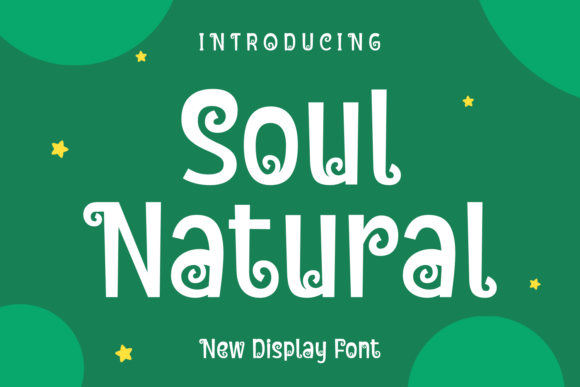
In the realm of visual communication, the choice of typography often dictates the emotional resonance of a project before a single word is read. Soul Natural represents a specific category of display swirl fonts that radiate elegance and sophistication through its delicate and graceful appearance. For professionals ranging from wedding planners to brand strategists, understanding how to integrate this typeface into a broader creative process is essential for achieving high-quality outcomes. Unlike standard sans-serif or serif fonts used for body copy, Soul Natural is intricately crafted with flowing swirls and loops, reminiscent of elegant calligraphy. This unique structure demands a thoughtful approach to implementation, ensuring that the font enhances rather than overwhelms the design.
Understanding the Role of Soul Natural in Creative Planning
Before opening any design software, it is crucial to define where Soul Natural fits within your project's hierarchy. This font exudes a sense of luxury and refinement, making it perfect for projects that demand a touch of glamour and style. However, its ornate nature means it should not be the default choice for every text element. In a strategic planning phase, designers must identify the primary function of the text. Is it meant to capture attention, convey intimacy, or establish a brand identity? Soul Natural excels when the goal is to bring a sense of opulence and charm to the forefront.
When evaluating a new project, consider the emotional tone required. If the brief calls for warmth and personality, the handwritten style of Soul Natural adds an organic feel that rigid geometric fonts cannot replicate. Conversely, if the project requires rapid data consumption or strict readability at small sizes, this font may need to be reserved strictly for headlines or decorative accents. By making this decision early in the workflow, you prevent costly revisions later. The font's swirls add a touch of whimsy and romance, which aligns perfectly with specific industries like hospitality, fashion, and event planning, but requires careful curation in corporate or technical contexts.
Pre-Production: Preparation and Asset Management
Successful integration begins with preparation. Before purchasing or downloading the font files, verify compatibility with your existing software stack. Whether you are using Adobe Creative Cloud, Canva, or specialized publishing tools, ensure that the file formats (typically .OTF or .TTF) are supported. A common workflow bottleneck occurs when a designer selects a beautiful font only to discover rendering issues on their specific operating system or web platform. Testing the font in a sandbox environment allows you to assess kerning, spacing, and ligature behavior before committing it to a live project.
Organization is another critical factor during the pre-production phase. Create a dedicated folder for your premium assets, including Soul Natural, to maintain consistency across team members. If you are working with a client, provide a clear preview of how the font interacts with other elements. Show mockups where the font is paired with simpler sans-serif typefaces to demonstrate balance. This proactive step helps manage client expectations regarding the "luxury" aesthetic. It also ensures that everyone involved understands that this is a display font, not a workhorse for paragraphs of text.
Implementation Strategies During the Design Process
Once the project moves into execution, the focus shifts to practical application. Soul Natural is best utilized as a focal point. Whether used for wedding invitations, greeting cards, branding materials, or other upscale designs, the font should command attention without competing with imagery. A practical tip for maintaining quality control is to limit the use of Soul Natural to headlines, logos, or short phrases. When applied to longer blocks of text, the intricate swirls and loops can reduce legibility, causing eye strain for the reader.
To maximize efficiency, pair Soul Natural with a neutral companion font. A clean, modern sans-serif or a classic serif works well to ground the design. This combination creates a visual rhythm where the elegance of the display font highlights key information, while the secondary font handles the functional details. For example, in a wedding invitation suite, Soul Natural might spell out the couple's names, while a simple serif font lists the date, time, and location. This hierarchy guides the viewer's eye naturally through the content.
Usability also depends on scaling. Because the font features delicate lines and complex curves, it requires sufficient white space to breathe. Avoid cramming the letters too close together; instead, increase the tracking (letter-spacing) slightly to allow the loops to stand out. On digital platforms, test how the font renders on mobile screens. High-resolution displays handle intricate details well, but lower-resolution devices may blur fine swirls. Adjusting the weight or size based on the medium ensures the design remains sophisticated across all touchpoints.
Post-Production and Long-Term Brand Consistency
After the initial design is complete, the workflow extends to distribution and long-term maintenance. For brands adopting Soul Natural as part of their identity, establishing style guidelines is vital. Document the specific rules for usage: minimum font sizes, acceptable color palettes, and approved pairings. These guidelines ensure that anyone creating future materials—from social media graphics to business cards—maintains the intended level of refinement. Consistency builds trust and reinforces the perception of luxury associated with the font.
Quality control involves regular audits of materials produced over time. As trends shift, there is a temptation to overuse decorative elements. Regularly reviewing your portfolio helps determine if Soul Natural is still serving its purpose effectively. Does it continue to evoke the desired sense of opulence and charm? Or has it become dated? By treating the font as a dynamic asset within your toolkit, you can adapt its usage to evolving market needs while preserving its core aesthetic value.
Furthermore, consider the interaction between the font and physical production methods. If printing wedding invitations or packaging, the texture of the paper plays a significant role. Embossing or foil stamping can enhance the three-dimensional quality of the swirls, adding tactile depth that complements the visual elegance. Discuss these options with your printer early in the process to ensure the chosen method supports the intricate details of the letterforms.
Practical Use Cases Across Industries
The versatility of Soul Natural extends beyond traditional print media. Entrepreneurs launching boutique lifestyle brands can leverage the font to differentiate themselves in crowded markets. Its handwritten style adds warmth and personality, making it ideal for product labels, packaging, and website headers. Marketers running campaigns focused on romance, self-care, or exclusive events will find the font's inherent whimsy aligns well with their messaging.
- Wedding Industry: Perfect for monograms, save-the-dates, and program headers where a romantic atmosphere is paramount.
- Beauty and Wellness: Ideal for spa menus, skincare packaging, and promotional materials that emphasize natural elegance.
- Personal Branding: Useful for coaches, consultants, and creatives who want to project a polished yet approachable image.
- Event Planning: Effective for signage, menus, and table cards at galas and high-end gatherings.
In each scenario, the key is intentionality. Do not apply the font simply because it looks pretty; apply it because it solves a specific communication challenge. When used correctly, Soul Natural transforms a standard design into a memorable experience. It bridges the gap between professional polish and artistic expression, offering a tool that respects both the craft of design and the needs of the audience.
Optimizing Efficiency and Decision Making
Integrating a specialized font like Soul Natural requires a balance between creativity and discipline. By following a structured process—from initial assessment and asset preparation to strategic pairing and long-term governance—you ensure that the font contributes positively to your workflow. Avoid the trap of keyword stuffing or over-decorating; let the font speak for itself through its inherent grace. Focus on how the typography supports the overall message, enhancing the user experience rather than distracting from it.
Ultimately, the success of any design project lies in the seamless integration of its components. Soul Natural offers a powerful way to inject sophistication and charm into your work, provided it is handled with care and foresight. By viewing the font as a strategic asset within your broader toolkit, you can consistently deliver results that resonate with your audience and elevate your professional standing. Whether you are crafting a one-off invitation or building a comprehensive brand identity, the principles of planning, execution, and quality control remain the foundation for effective typography usage.