Rain at Night: Capturing the Dreamy Aesthetic in Modern Design
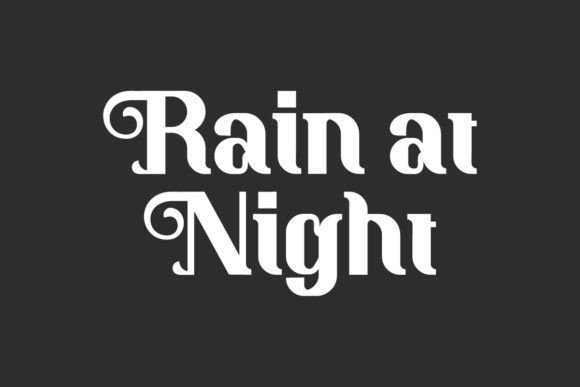
In a digital landscape often dominated by stark minimalism and hyper-realistic 3D renders, there is a growing appetite for textures that evoke memory, mood, and atmosphere. This shift has brought renewed attention to typographic choices that do more than simply convey information; they set a scene. One such typeface making waves in creative circles is Rain at Night. As a classic retro-inspired display font, it offers a unique ability to beautify your design while instilling a soft dreamy feel. It bridges the gap between nostalgic warmth and contemporary cool, proving that typography remains one of the most powerful tools for storytelling.
The name itself evokes a specific sensory experience: the quiet rhythm of raindrops against a windowpane under the cover of darkness, illuminated by the soft glow of streetlights or neon signs. Rain at Night Font captures this essence not just in its moniker, but in its stroke weight, curvature, and spacing. For professionals ranging from freelance graphic designers to marketing directors, understanding how to leverage this aesthetic is becoming essential for brands looking to connect on an emotional level with their audience.
The Resurgence of Retro-Inspired Typography
To understand why Rain at Night is gaining traction, we must look at the broader trajectory of design trends over the last decade. We have moved away from the flat design revolution of the early 2010s, which prioritized function over form, toward a new era of "maximalist nostalgia." Consumers today are increasingly drawn to visuals that feel human, imperfect, and steeped in history. This is not merely a desire for the past, but a reaction to the sterile nature of algorithmic content generation.
Rain at Night fits perfectly into this narrative. It draws heavily from mid-century poster art and vintage signage, yet it retains a modern sensibility. The font's structure allows it to stand out without shouting. In a world where users scroll through hundreds of images per day, a typeface that suggests a story before a single word is read holds significant value. It signals to the viewer that the brand behind the design understands nuance and atmosphere.
This evolution reflects a changing habit among audiences who crave authenticity. They are less likely to engage with generic, corporate-looking templates and more likely to stop for designs that feel curated and intentional. By incorporating a font like Rain at Night, creators can tap into this psychological shift, offering a visual respite that feels both familiar and fresh.
Balancing Softness with Cool: The Dual Nature of the Font
One of the most compelling aspects of Rain at Night is its duality. As noted in its description, the font will beautify your design and give it a soft dreamy feel, yet you will still see the cool look of this font. This balance is rare in display typography, which often leans too far into either ornate decoration or rigid geometricism.
The "soft dreamy feel" comes from the fluidity of the letterforms. The curves are gentle, mimicking the organic flow of water or the blur of lights in the rain. This makes the text approachable and inviting, perfect for headlines that need to welcome the viewer rather than command them. However, the underlying structure maintains a sharp, confident edge—the "cool look"—ensuring legibility and impact even at larger sizes.
For marketers and business owners, this versatility is a practical asset. It means a single typeface can serve multiple purposes within a brand identity. It can be used for a romantic wedding invitation one week and a sleek music festival poster the next. The font adapts to the context, allowing the surrounding imagery and color palette to dictate the final mood while providing a consistent typographic anchor.
Industry Applications: Where Rain at Night Shines
The versatility of Rain at Night extends across a wide spectrum of industries. Its ability to blend retro charm with modern appeal makes it suitable for many sectors where branding relies on atmosphere and lifestyle association.
Hospitality and Dining
For cafés, restaurants, resorts, and hotels, ambiance is everything. A menu designed with Rain at Night immediately suggests a cozy, intimate setting. Imagine a coffee shop using this font for its seasonal specials board; the soft curves evoke the warmth of a latte and the comfort of a rainy afternoon spent reading inside. Similarly, boutique hotels can use it for event invitations or room service menus to communicate a sense of luxury and relaxation.
Cosmetics and Fashion
The beauty and fashion industries thrive on emotion and aspiration. Packaging for skincare products or labels for artisanal perfumes often benefit from a touch of elegance that feels timeless. Rain at Night provides a sophisticated backdrop for product names, suggesting purity and natural ingredients without relying on clichéd serif fonts. In fashion, it works exceptionally well for limited edition drops or festival collections, where the "cool look" resonates with a younger, trend-conscious demographic.
Entertainment and Events
Movies, music festivals, and live events require typography that grabs attention instantly. Posters for indie films or concert flyers often utilize display fonts to create a mood. The retro inspiration of Rain at Night pairs beautifully with grainy photography or neon gradients, creating a poster that looks as good in a gallery as it does on social media. It helps event organizers signal that their gathering is not just a transaction, but an experience.
Handicrafts and Small Business
For entrepreneurs selling handmade goods, the font acts as a bridge between the creator and the customer. Handcrafted items carry a story, and Rain at Night respects that narrative. Whether printed on a ceramic mug, embroidered on a tote bag, or featured on a website banner, the font reinforces the idea of care and craftsmanship.
Practical Implications for Creators and Professionals
Integrating a display font like Rain at Night into a workflow requires thoughtful consideration. While it is visually striking, it should not be overused. As a display font, it is best suited for headlines, logos, and short phrases. Using it for body text can hinder readability and dilute its impact.
Professionals should pair it with clean, neutral sans-serif fonts for longer paragraphs. This contrast ensures that the "dreamy" quality of the headline stands out while maintaining professional clarity in the supporting copy. Furthermore, color plays a crucial role. To maximize the effect, consider using muted tones, deep blues, warm ambers, or high-contrast combinations that mimic the lighting conditions of a rainy night.
From a technical standpoint, ensuring the font renders correctly across different devices is vital. With the rise of mobile-first browsing, checking how the intricate details of Rain at Night appear on smaller screens is a necessary step in the design process. Most modern web-safe formats handle these nuances well, but testing on various operating systems guarantees a consistent user experience.
Future Trends and Market Preferences
Looking ahead, the demand for emotive design is unlikely to wane. As artificial intelligence generates more generic content, the value of human-curated aesthetics will increase. Fonts like Rain at Night, which carry a distinct personality and historical reference, will become even more valuable assets for brands trying to differentiate themselves.
We are also seeing a shift towards "slow design," where the focus is on quality, longevity, and emotional resonance rather than rapid, disposable trends. This aligns perfectly with the enduring nature of retro-inspired typography. Unlike fleeting micro-trends, the style captured by Rain at Night taps into a universal appreciation for atmosphere and memory, ensuring its relevance for years to come.
For businesses, this means investing in versatile, character-rich typefaces is a smart long-term strategy. It allows for a cohesive brand voice that can evolve with the times without losing its core identity. Whether launching a new product line or rebranding an existing service, choosing a font that speaks to the senses can make all the difference in how a message is received.
Conclusion: Embracing the Atmosphere
Ultimately, Rain at Night is more than just a collection of letters; it is a tool for evoking feeling. In a market saturated with noise, the ability to create a soft dreamy feel while maintaining a cool, professional edge is a significant advantage. From the bustling energy of a music festival to the quiet intimacy of a café corner, this font offers a versatile solution for diverse creative needs.
By understanding the context in which it thrives and pairing it with thoughtful design practices, creators and business owners can harness its power to tell better stories. As we move forward into a future where digital experiences strive to mimic the richness of the physical world, typefaces that capture the mood of a rainy night will remain essential for those looking to leave a lasting impression.