Black Gothics: A Practical Evaluation of Modern Blackletter Typography
In the realm of display typography, few styles command as much immediate attention or evoke as strong a historical resonance as blackletter. However, traditional gothic scripts often struggle with legibility in contemporary digital environments. Black Gothics addresses this specific friction point by merging the ornate, heavy strokes of historical blackletter with modern design principles. It is not merely a revival font; it is a functional tool designed to elevate visual hierarchies in projects ranging from large-scale billboards to intricate product packaging. For designers and brand managers weighing their typographic options, understanding where Black Gothics fits within the broader landscape of display fonts is essential for making an informed decision.
The Distinctive Architecture of Black Gothics
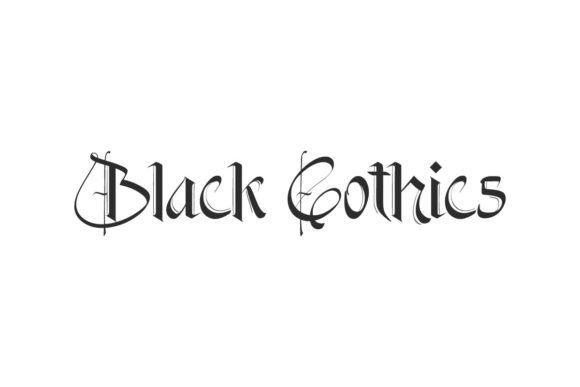
To evaluate Black Gothics effectively, one must first understand its structural DNA. Unlike standard serif or sans-serif typefaces that prioritize uniformity and neutral readability, Black Gothics embraces high contrast and angular complexity. The font features thick, bold vertical strokes paired with sharp, decorative terminals that mimic the quill-work of medieval scribes but are refined for vector scalability.
What sets Black Gothics apart from older, more rigid blackletter variants is its optimization for modern rendering engines. Many historical gothic fonts suffer from "ink traps" or overly dense counters that blur when scaled down for mobile screens or printed at small sizes. Black Gothics has been engineered to maintain character integrity even when used for headers, titles, or short quotes on websites. This makes it a versatile choice for brands that desire a vintage aesthetic without sacrificing technical performance. The distinctiveness lies in its ability to look authoritative and premium, instantly signaling quality to the viewer.
Visual Weight and Readability Tradeoffs
A critical factor in selecting any display font is the balance between visual weight and readability. Black Gothics is inherently heavy. This is a strength when the goal is impact—such as on a movie poster, a magazine cover, or a storefront sign—but it presents a tradeoff for body text. Attempting to use Black Gothics for paragraphs of continuous reading material will likely result in reader fatigue and reduced comprehension.
When comparing Black Gothics to lighter, more utilitarian gothic styles, the difference is stark. Lighter gothics may offer better legibility for longer copy but often lack the commanding presence required for branding elements like logos or embossed designs. Black Gothics sits firmly in the "display" category, meaning its primary function is to stop the eye, not to guide it through a narrative. Designers must recognize this limitation early in the planning phase to avoid layout errors that compromise the user experience.
Comparative Analysis: When to Choose Black Gothics
Selecting a typeface is rarely a binary choice; it involves evaluating a spectrum of alternatives. When considering Black Gothics, it is helpful to compare it against three main categories: traditional blackletter, modern slab serifs, and minimalist sans-serifs.
- Traditional Blackletter: Older gothic fonts often feel archaic and can be difficult to pair with modern imagery. Black Gothics offers a cleaner interpretation that integrates more seamlessly with contemporary graphic elements, making it a superior choice for brands looking to bridge heritage and modernity.
- Modern Slab Serifs: These fonts provide weight and authority but lack the unique cultural coding of the gothic style. If a project requires a sense of history, mystery, or artisanal craftsmanship, Black Gothics communicates these values more effectively than a generic slab serif.
- Minimalist Sans-Serifs: While excellent for UI and body text, sans-serifs can sometimes appear too sterile for luxury or entertainment sectors. Black Gothics injects personality and texture into a design, creating an emotional connection that neutral fonts cannot achieve.
The decision to use Black Gothics should hinge on the specific emotional tone of the project. If the objective is to convey trust, stability, and neutrality, a sans-serif might be the safer bet. However, if the goal is to evoke exclusivity, tradition, or boldness, Black Gothics becomes a compelling alternative.
Evaluating Use Cases: From Billboards to Stickers
The versatility of Black Gothics is evident in its wide range of successful applications, yet success depends on context. In large-format advertising, such as billboards or signage, the font's bold structure ensures visibility from a distance. The thick strokes prevent the letterforms from breaking up under bright sunlight or poor viewing angles.
Conversely, in smaller formats like business cards or labels, the font requires careful kerning and spacing. Because Black Gothics is so dense, tight spacing can cause letters to merge visually. Designers working on mockup designs or product packaging must test the font at actual print size to ensure the details remain crisp. For instance, on a wine label or a craft beer bottle, Black Gothics can suggest a premium, hand-crafted origin story. On a tech startup website, however, the same font might feel incongruous unless the brand identity specifically leans into a cyber-gothic or edgy aesthetic.
Consider the application of Black Gothics in invitations and stationery. Here, the font excels because the medium allows for high-quality paper and printing techniques. Embossed designs, in particular, benefit from the font's deep cuts and sharp angles, which catch light beautifully when raised from the page. This tactile quality is something that screen-based alternatives simply cannot replicate.
Strategic Implementation and Limitations
While Black Gothics is a powerful asset, it is not a universal solution. One of the most common pitfalls in typography is overuse. Because the font is so distinctive, using it for multiple hierarchy levels (e.g., H1, H2, and H3) can create visual noise. A balanced approach involves pairing Black Gothics with a highly legible, neutral secondary font. This combination allows the gothic style to anchor the design while ensuring the supporting content remains accessible.
Another consideration is the audience demographic. While adults aged 20–50 generally appreciate design nuance, the gothic style carries specific cultural connotations. In some contexts, it signals luxury and heritage; in others, it may be associated with subcultures or specific music genres. Brands must align their typographic choices with their target market's expectations. A financial institution seeking a conservative image might find Black Gothics too aggressive, whereas a fashion brand targeting a younger, trend-conscious demographic might find it perfectly aligned.
Technical Considerations for Digital and Print
From a technical standpoint, the implementation of Black Gothics varies between digital and print media. On the web, loading times and rendering consistency are paramount. Web-safe versions of the font should be optimized to reduce file size without losing the intricate details that define the style. Screen printing and signage also require specific attention; the fine details of the font must be preserved during the conversion to vector formats for large-scale production.
For magazine catalogs and brochures, the interaction between the font and the paper stock becomes a key variable. Matte finishes can soften the edges of Black Gothics, potentially reducing its impact, while glossy papers enhance the contrast. Designers should request physical proofs before finalizing large print runs to ensure the font performs as expected across different substrates.
Making the Final Decision
Ultimately, the choice to integrate Black Gothics into a design project comes down to a strategic alignment of goals, audience, and medium. It is a font that demands respect and careful handling. It is not a background element; it is a statement piece. When used correctly, it elevates designs to a high level, transforming simple text into a visual focal point that resonates with viewers.
If your project requires a font that stands out in a crowded marketplace, one that bridges the gap between historical depth and modern clarity, Black Gothics warrants serious consideration. However, if the priority is maximum legibility for long-form content or a strictly neutral corporate identity, other options may serve you better. By weighing these factors—visual weight, cultural association, and technical constraints—you can determine whether Black Gothics is the right tool for your specific design challenge.